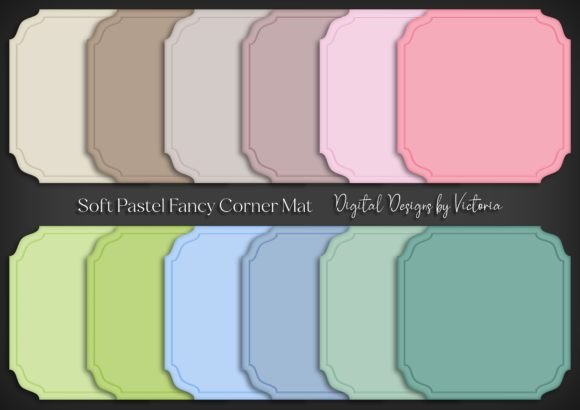
Enhancing Digital and Physical Crafts with Soft Pastel Fancy Corner Mat Designs
In the evolving landscape of digital crafting and traditional paper arts, the details often make the most significant impact. While the central image or the main text of a project usually grabs immediate attention, the framing elements define the overall aesthetic and professionalism of the piece. Among the most versatile tools available to modern creators is the Soft Pastel Fancy Corner Mat. This specific design element offers a blend of subtlety and elegance that can transform a simple layout into a polished, finished product. Whether you are a professional graphic designer, a teacher preparing classroom materials, or a hobbyist engaging in scrapbooking, understanding how to leverage these assets is crucial for high-quality output.
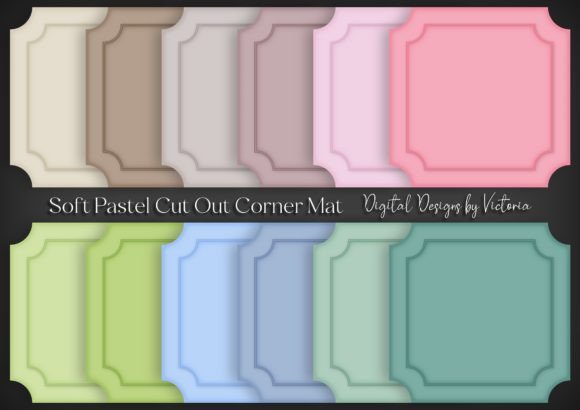
The collection in question features twelve distinct PNG images, each meticulously crafted to serve as a decorative border element. What sets this particular set apart is not just the visual style, but the technical specifications that accompany it. Each corner mat is presented on its own transparent background, ensuring seamless integration into any project regardless of the underlying color or pattern. With an approximate size of six inches per element and saved at high resolution, these graphics are engineered for quality printing and flexible resizing. This combination of artistic charm and technical robustness makes them an indispensable resource for a wide array of applications, from card making and journaling to complex digital card kits.
The Aesthetic Power of Soft Pastels in Design
The choice of color palette is fundamental to the emotional resonance of any visual project. Soft pastels occupy a unique space in color theory, offering warmth and invitation without the aggression of bold primary colors or the starkness of monochrome schemes. When applied to a fancy corner mat, these hues create a frame that complements rather than competes with the central content. The "fancy" aspect implies intricate detailing—perhaps swirling vines, delicate geometric patterns, or subtle floral motifs—that adds texture and depth to the corners of a page.
Using soft pastels allows creators to maintain a cohesive look across diverse projects. For instance, in wedding invitations, these colors evoke romance and tranquility. In educational materials for young children, they provide a stimulating yet calming environment that aids focus. The versatility of the pastel spectrum means that these corner mats can be paired with almost any other color scheme. A mint green corner can accentuate a navy blue background, while a blush pink mat can soften a stark white page. This adaptability is why such elements are staples in the toolkit of serious designers and casual crafters alike.
Technical Specifications and Their Practical Implications
Beyond aesthetics, the utility of digital assets is determined by their technical construction. This collection of twelve PNG images is optimized for professional use through several key features. First and foremost is the transparent background. In the world of digital composition, transparency is non-negotiable for overlay elements. It eliminates the need for tedious manual editing to remove white boxes or solid colors, allowing the corner mat to sit perfectly atop photographs, textured papers, or colored gradients. This saves hours of work and ensures a clean, professional edge.
Furthermore, the dimensions of approximately six inches per image provide a substantial canvas for manipulation. In the realm of print design, resolution is king. These images are saved at high resolution, which is critical for maintaining clarity when printed. A low-resolution image might look acceptable on a screen but will appear pixelated and amateurish when printed on cardstock. High-resolution assets ensure that the fine lines and subtle gradients of the fancy corner designs remain crisp, even when enlarged for poster-sized projects or reduced for intricate gift tags. The ability to resize without loss of quality gives creators the freedom to adapt the asset to various formats, from standard letter-sized scrapbook pages to custom-sized greeting cards.
Diverse Applications Across Industries and Hobbies
The true value of the Soft Pastel Fancy Corner Mat lies in its applicability across a broad spectrum of uses. Because the asset is digital yet intended for physical output, it bridges the gap between screen-based design and tangible crafts.
- Card Making and Stationery: For independent stationers, these corners provide a quick way to establish a brand identity. By placing the same corner style on a full line of thank-you notes, birthday cards, and event invitations, a creator can build a recognizable visual signature.
- Scrapbooking and Memory Keeping: Scrapbookers often struggle with balancing photos and journaling space. These corner mats offer a structured way to anchor photos on a page, creating a natural focal point while leaving the center open for storytelling.
- Digital Planning and Journaling: The rise of digital planning on tablets has created a demand for high-quality stickers and overlays. These PNGs are perfect for users of apps like GoodNotes or Notability, allowing them to decorate digital journals with the same elegance as physical ones.
- Educational Resources: Teachers and curriculum developers can use these mats to frame worksheets, certificates, and presentation slides. The soft colors are visually appealing to students and help organize information on the page without causing visual fatigue.
- Business Branding: Small business owners can incorporate these elements into their social media graphics, email headers, or packaging inserts to add a touch of sophistication to their marketing materials.
Workflow Integration for Maximum Efficiency
Incorporating these assets into a workflow requires a strategic approach to maximize their potential. For those utilizing software like Adobe Photoshop, Illustrator, or free alternatives like Canva and GIMP, the process begins with organization. Since there are twelve unique images in the collection, it is advisable to categorize them by tone or pattern complexity. This allows for quick retrieval during the creative process.
When designing a digital card kit, consistency is key. A creator might choose to use one specific corner style for the front of the card and a complementary style from the same pastel family for the inside layout. Because the files are high resolution, they can be duplicated and mirrored to create full borders if the design calls for it, although the corner-specific nature often provides a more modern, open feel. For school projects, educators can create templates where students simply drag and drop their content into the center, knowing the framing is already professionally handled. This reduces the cognitive load on the student, allowing them to focus on the content of their assignment rather than the decoration.
Considerations for Print and Digital Output
While the digital file is robust, the final output method dictates certain considerations. For quality printing, the color mode of the document should ideally be CMYK if sending to a professional press, though many home printers and consumer-grade services handle RGB files well. However, creators should always perform a test print. Pastel colors can sometimes appear washed out on certain types of paper or overly vibrant on others. The high resolution of the Soft Pastel Fancy Corner Mat ensures that the detail is there, but the paper stock chosen will influence the final perception of the color.
In digital contexts, such as web design or eBook creation, file size becomes a consideration. While high resolution is excellent for print, it can result in large file sizes that slow down webpage loading times. Creators publishing online may need to optimize the PNGs for web use, balancing quality with performance. Fortunately, starting with a high-resolution source gives the flexibility to downscale effectively without losing the integrity of the design.
The Role of Versatility in Creative Longevity
One of the challenges in the creative industry is the rapid turnover of trends. What is popular today may be obsolete tomorrow. However, classic design elements like soft pastels and fancy borders tend to have enduring appeal. They do not scream a specific era but rather offer a timeless elegance. By investing in a versatile collection like this, creators ensure that their assets remain useful for years. The twelve variations provided allow for enough diversity to prevent repetition fatigue. A user can employ a different corner style for each month of a yearly planner or for each chapter of a digital book, maintaining freshness throughout the project.
Moreover, the modular nature of corner mats encourages experimentation. They can be layered over other elements, rotated to fit different orientations, or even recolored in image editing software to match specific brand guidelines. This level of control empowers users to make the asset truly their own. For researchers compiling reports or academics designing conference posters, these subtle touches can elevate the perceived value of the work, suggesting a level of care and attention to detail that resonates with the audience.
Conclusion on Utility and Value
The intersection of art and technology is best represented by assets that are both beautiful and functional. The Soft Pastel Fancy Corner Mat collection exemplifies this balance. By providing twelve high-resolution, transparent PNG images, the set addresses the practical needs of resizing and layering while satisfying the aesthetic desire for soft, elegant framing. Whether utilized for intricate scrapbooking layouts, professional business correspondence, or engaging school projects, these tools empower creators to produce work that stands out. The emphasis on quality printing and versatile application ensures that these digital resources translate effectively into the physical world, bridging the gap between concept and reality. As the demand for personalized, high-quality visual content continues to grow across all sectors, having reliable, adaptable design elements in one's arsenal is not just an advantage—it is a necessity for sustained creative success.